


Phenolic sheet and rod are used for terminal boards, insulators, printed circuit boards, washers, spacers, cams, inserts, bushings, gears, and a wide range of machined components.

Phenolic
Durable, cost-effective laminates for electrical, mechanical, and structural applications.
Product Overview
Widely used for:
Performance Characteristics:
Moisture Resistant
Abrasion Resistant
Wear Resistant
Chemical Resistant
Good Dimensional Stability
Impact Resistant
Strong and Stiff
High Temperature
Easy To Bond
Good Electrical Insulation
Typical Properties of Phenolic
Common Properties
- Common Brands Norplex-Micarta
- Common Profiles Sheet, Rod
- Friendly Names Phenolic Laminate, Industrial Laminate, Phenolic Resin Board
- Typical Rod Diameters 1/8 - 4 in
- Typical Rod Lengths 36 - 48 in
- Typical Sheet Lengths 48 - 120 in
- Typical Sheet Thickness 1/32 - 2 in
- Typical Sheet Widths 36 - 48 in
Regulation Properties
ASTM/Mil-Spec
RoHS Compliant
UL-94 Flame Class
REACH Compliant
Literature and Data Sheets
-
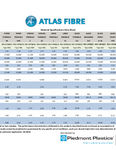 Material Specifications Chart CoBranded Atlas Fibre
 -
 High-Performance Plastic Solutions Brochure Piedmont Plastics
 -
 Norplex-Micarta NP 300 Series Norplex Micarta
 -
 Norplex-Micarta NP600 Series Norplex Micarta
 -
 Norplex-Micarta RT310H Norplex Micarta
 -
 Norplex-Micarta Tubing Technology Norplex Micarta
 -
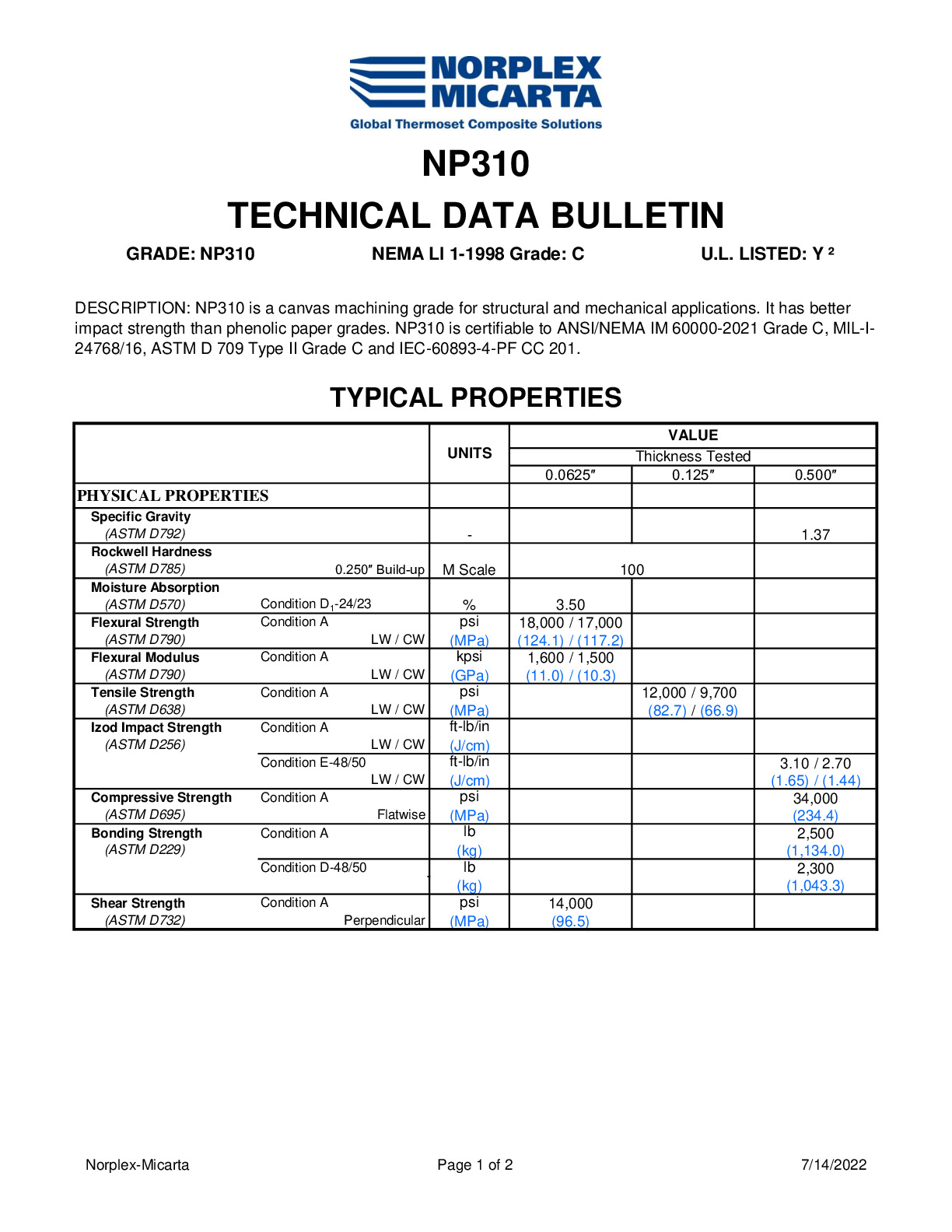 Norplex-Micarta NP310 Grade C Norplex Micarta
 -
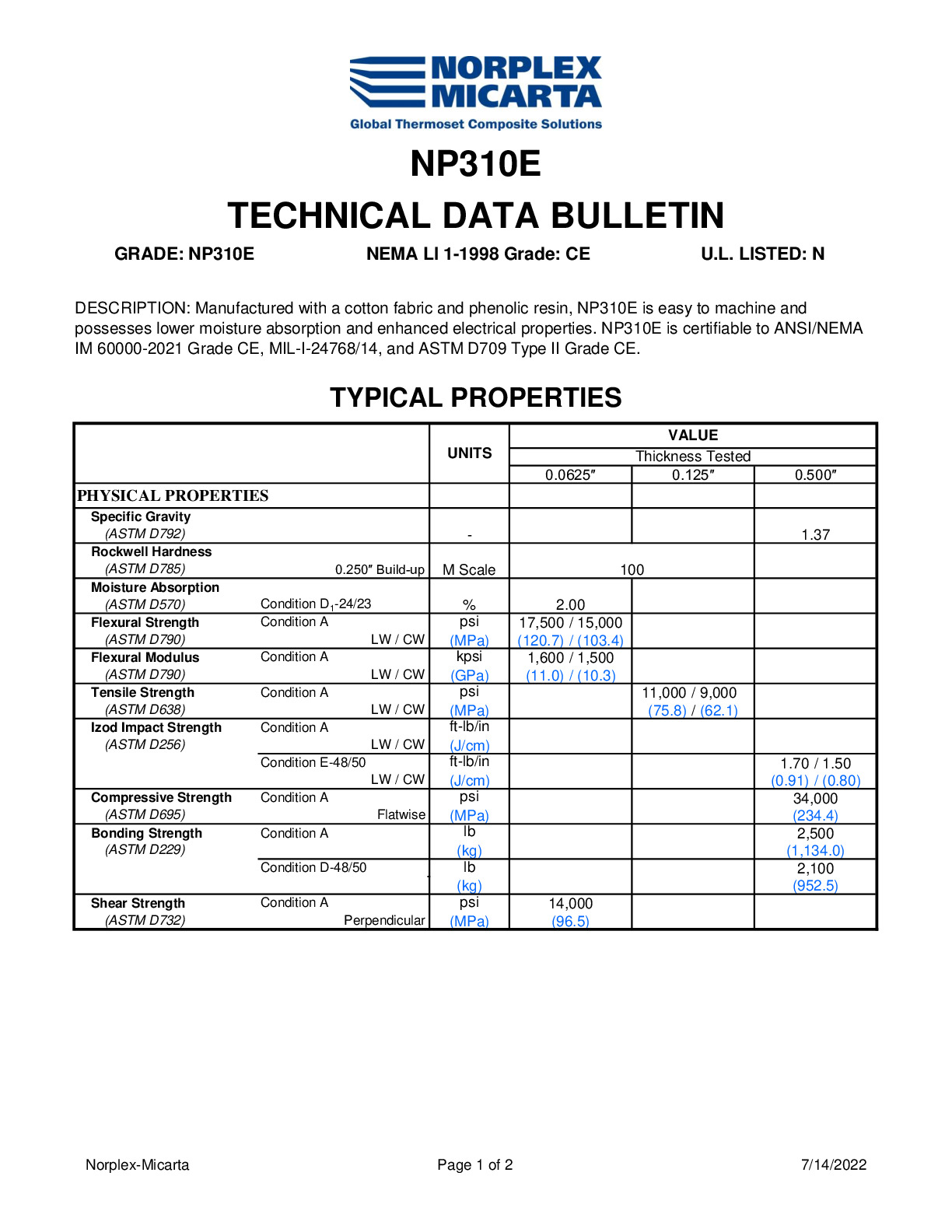 Norplex-Micarta NP310E Grade CE Norplex Micarta
 -
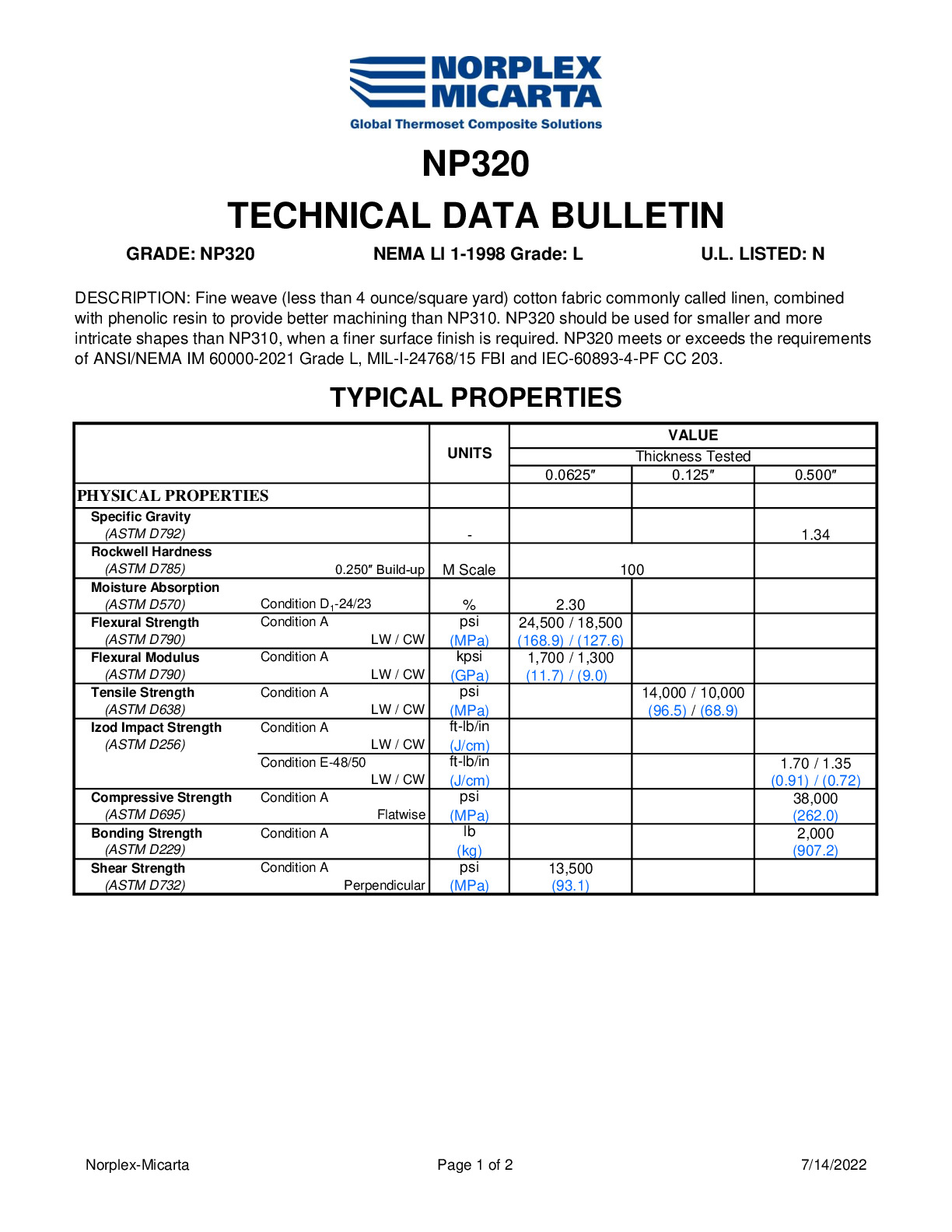 Norplex-Micarta NP320 Grade L Norplex Micarta
 -
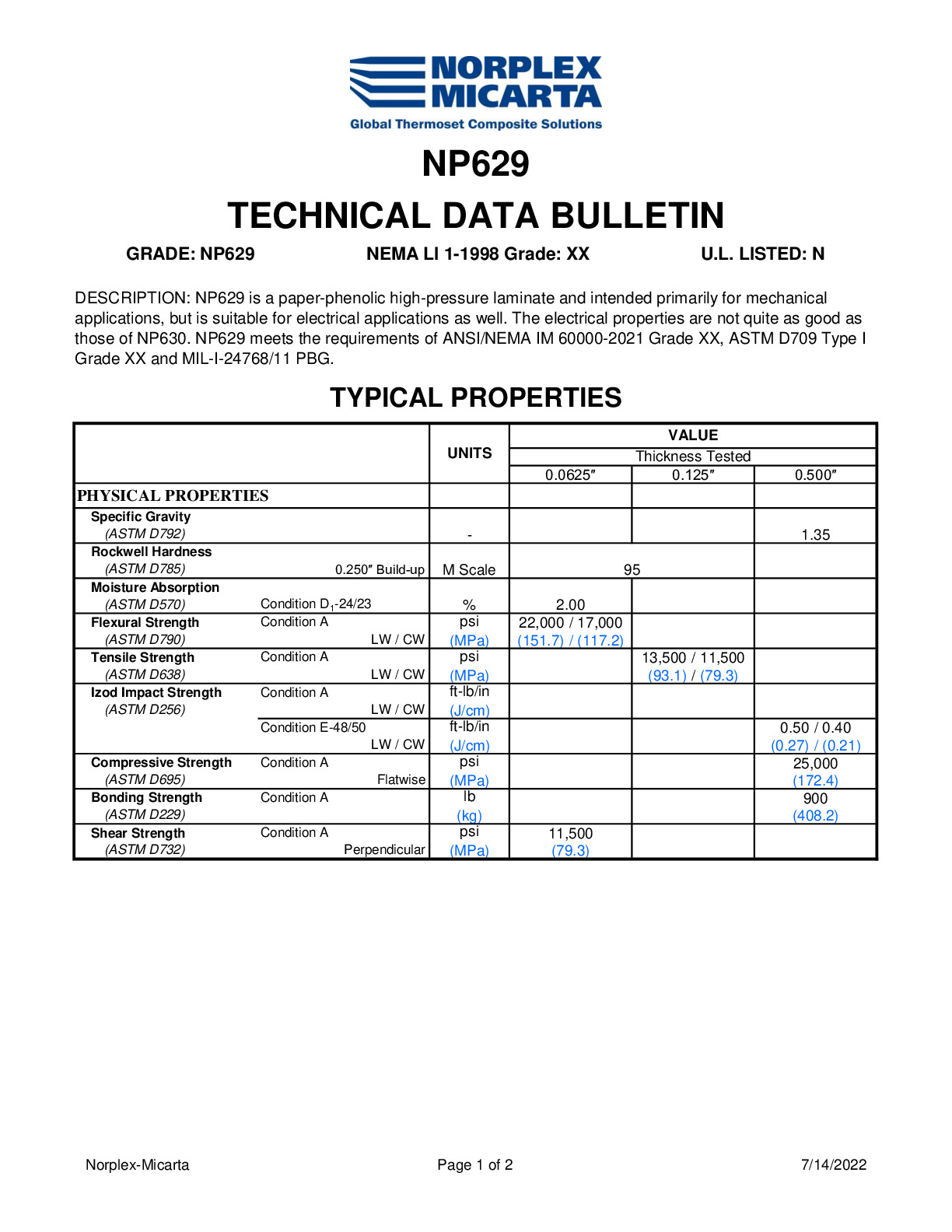 Norplex-Micarta NP629 Grade XX Norplex Micarta
 -
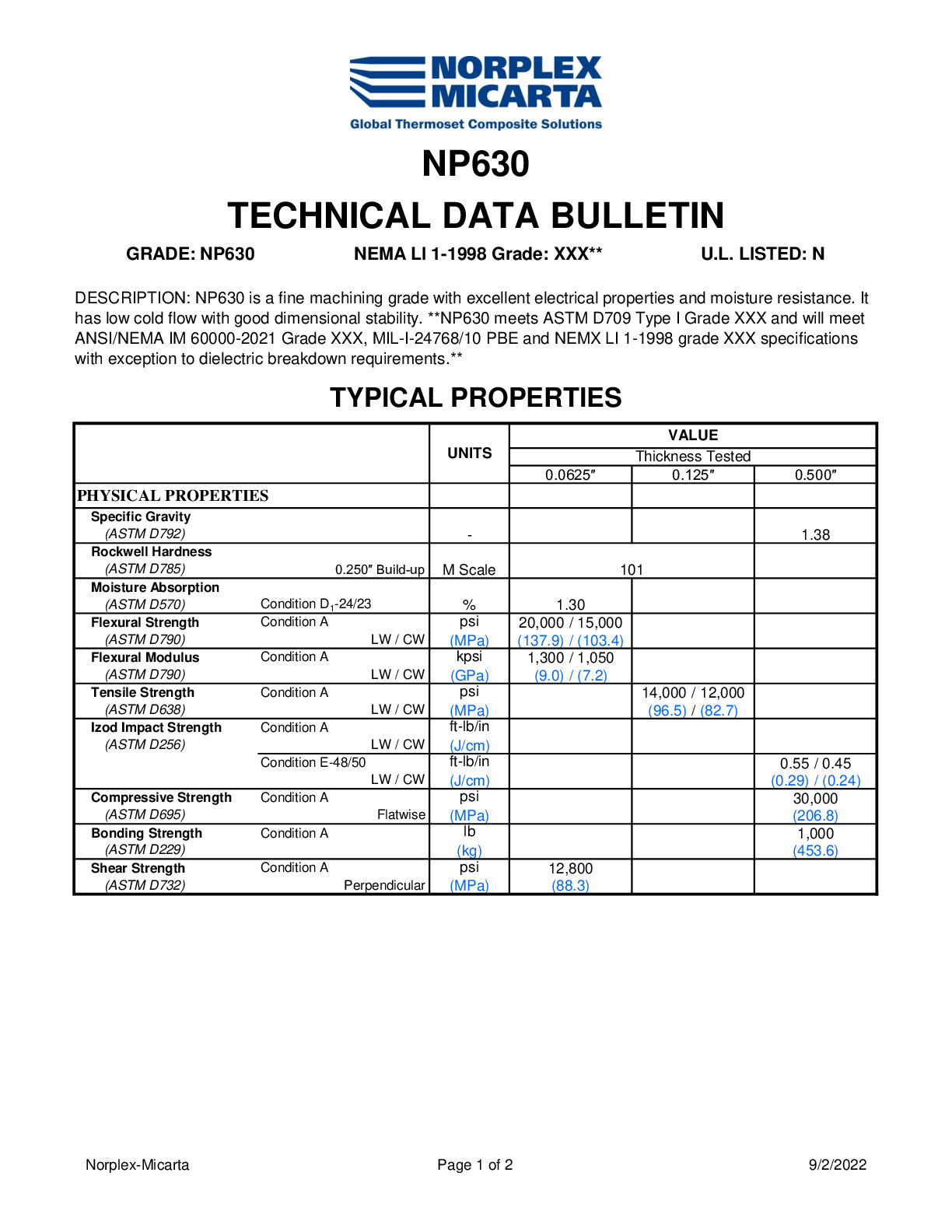 Norplex-Micarta NP630 Grade XXX Norplex Micarta
 -
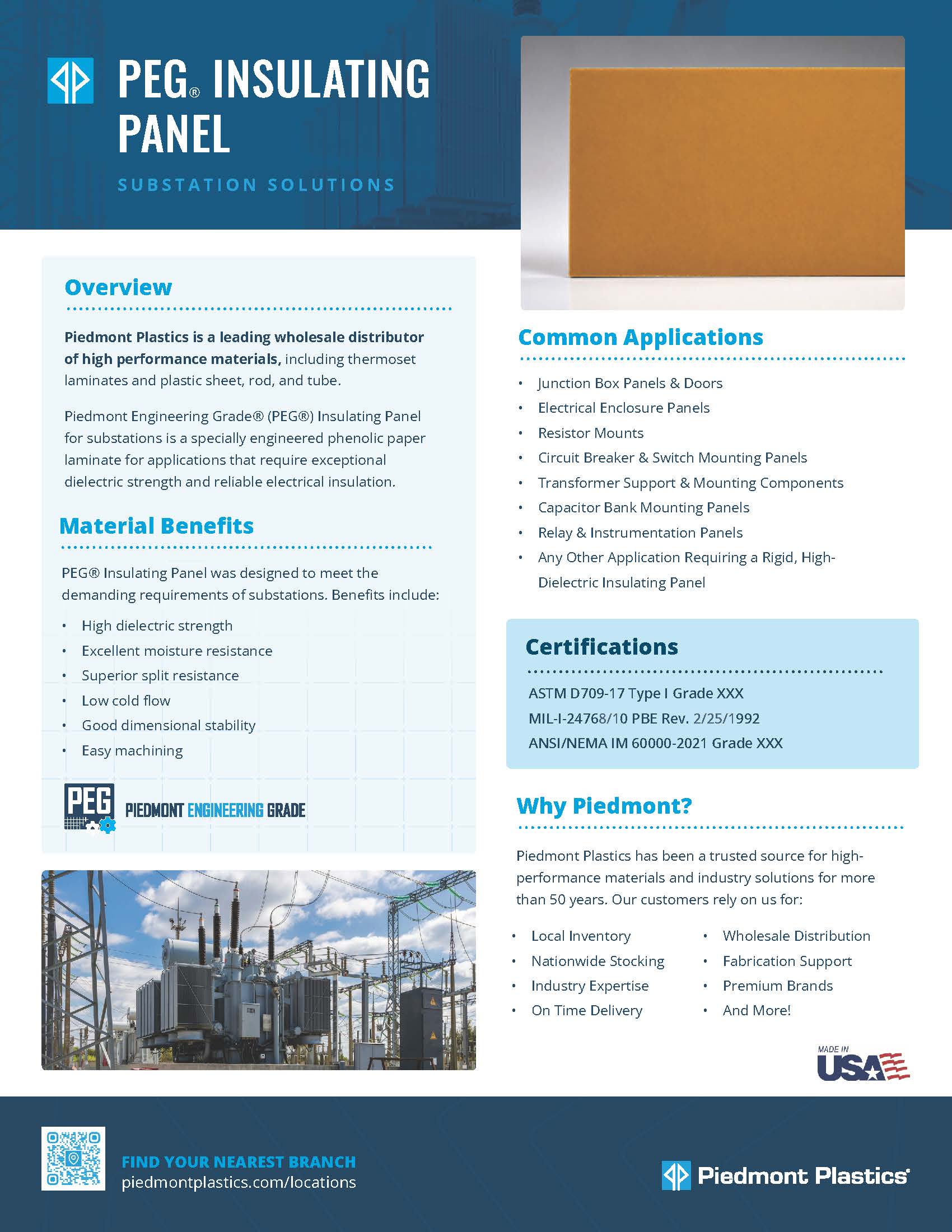 Piedmont Engineering Grade® Insulating Panel Piedmont Plastics
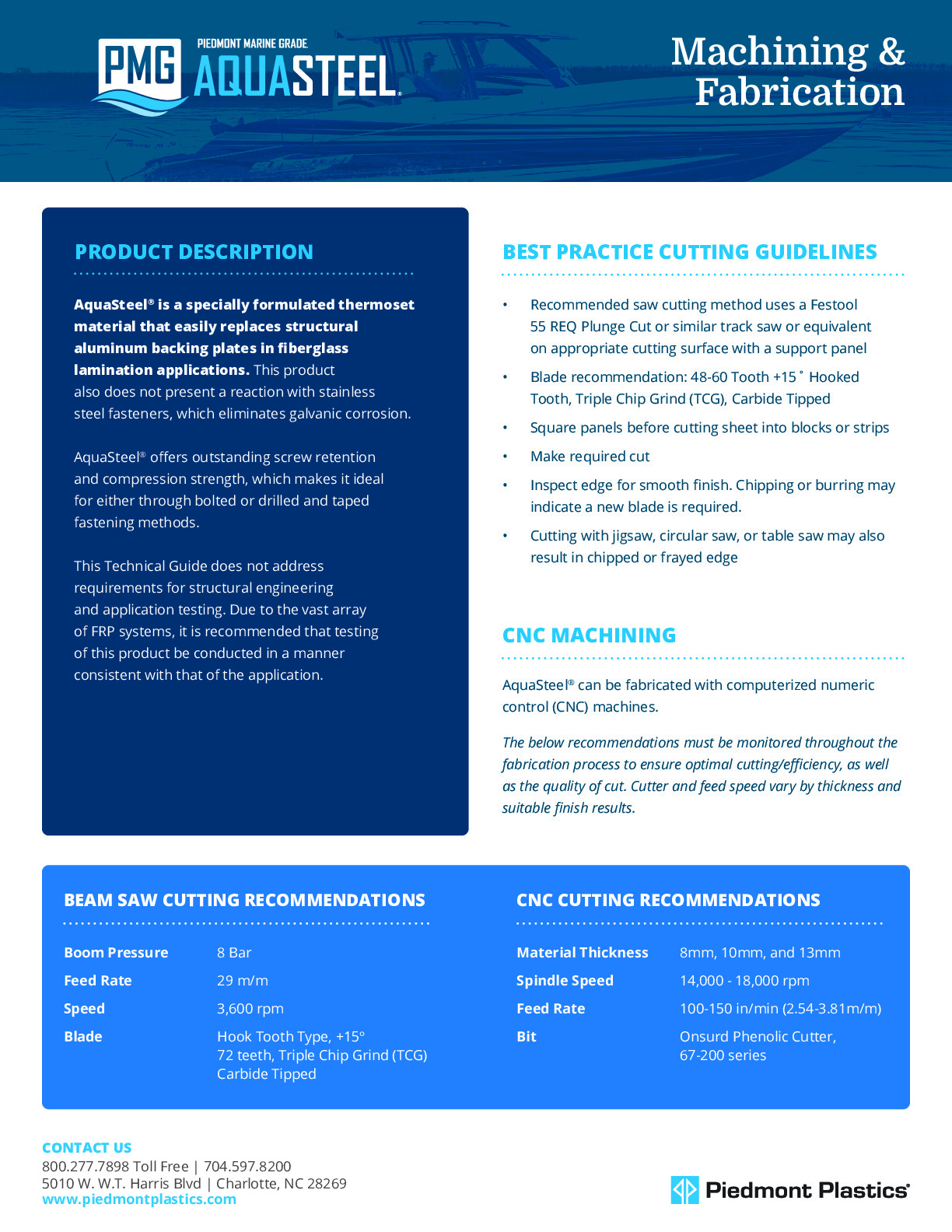
Phenolic Sheet and Rod for Industrial Applications
Phenolic is a high-strength industrial thermoset made by impregnating layers of paper, cotton canvas, or linen with phenolic resin, then curing them under heat and pressure. The result is a rigid, durable laminate known for its mechanical strength, electrical insulating properties, and resistance to heat, wear, and moisture.
Piedmont Plastics offers a wide selection of phenolic sheet and rod in multiple NEMA grades, including paper-based, cotton-based, and linen-based options. Whether you need flat stock for insulating panels or round stock for precision-turned parts, we can help you choose the right grade and form for your application. Contact us today to discuss your project or request a quote!
| Grade | Phenolic Composite Type | Certifies |
|---|---|---|
| X | Paper Base | MIL-I-24768/28 (PBM) |
| XX | Paper Base | MIL-I-24768/28 (PBG) |
| XXX | Paper Base | MIL-I-24768/28 (PBE) |
| C | Canvas Cotton-Cloth | MIL-I-24768/16 (FBM) |
| CE | Canvas Cotton-Cloth | MIL-I-24768/16 (FBG) |
| L | Linen Cotton-Cloth | MIL-I-24768/16 (FBI) |
| LE | Linen Cotton-Cloth | MIL-I-24768/16 (FBE) |


An Expert is just around the corner.
With over 100 years of combined product knowledge and industry experience, we are confident our plastics experts can help you find a solution for your application.
Key Features of Our Phenolic
Wide Range of NEMA Grades: Paper grades (X, XX, XXX), cotton grades (C, CE), and linen (L, LE) are each designed for specific mechanical and electrical performance needs, giving you options in both sheet and rod form.
Exceptional Electrical Insulation: Low conductivity and high dielectric strength make phenolic a reliable insulator. Sheet is commonly used for boards and barriers, while rod is turned into insulating bushings, standoffs, and spacers.
High Mechanical Strength and Dimensional Stability: Cotton-based grades offer excellent load-bearing capability and toughness, making phenolic rod a strong choice for gears, rollers, and bushings that must hold tolerances under stress.
Thermal and Moisture Resistance: As a thermoset, phenolic resists heat and humidity without softening, warping, or degrading.
Flame-Retardant Options: Certain phenolic grades are inherently flame resistant, making them a safe choice where fire performance matters.
Benefits of Phenolic


Applications of Phenolic Sheet and Rod
Phenolic's versatility makes it a go-to material in applications requiring precision, strength, and electrical insulation.
Common uses of phenolic sheet:
Electrical insulators and switchboards
Terminal boards and arc barriers
Transformer spacers and washers
Fixtures and jigs in machining environments
Structural panels and mechanical components
Common uses of phenolic rod:
Bushings, bearings, and sleeves
Gears, pulleys, and rollers
Insulating standoffs, spacers, and pins
Cams, inserts, and fasteners
Textile bobbins and lap spools
Automotive and aerospace components
Phenolics are also valued for protection against violent storms and ballistic forces, and for structural parts that demand excellent impact strength or a high strength-to-size ratio.
Related Products
-
Acetal
Acetal (POM) is an engineering plastic known for its durability, dimensional stability, and wear and abrasion resistance, making it a popular choice for precision parts in automotive, electronics, and food processing applications.
-
GPO-3
GPO-3 is a flame-retardant fiberglass laminate ideal for electrical insulation, structural support, and high-heat environments
-
G10/FR-4
Ideal for electrical, aerospace, and industrial applications, G10/FR-4 glass epoxy offers superior strength, electrical insulation, and durability.
-
PEEK (Polyetheretherketone)
PEEK (polyetheretherketone) sheet, rod, and tube deliver superior strength, chemical resistance, and thermal stability for aerospace, medical, and industrial applications.
-
UHMW PE
UHMW from Piedmont Plastics offers superior durability, low friction, and wear resistance, ideal for conveyors, liners, and food-grade industrial parts.


Frequently Asked Questions
When selecting the right industrial thermoset materials, it’s important to understand the unique properties and advantages that phenolic offers. To help you make the best choice for your project, we’ve answered some of the most common questions about industrial phenolics, including their grades, performance, and applications. Explore the FAQs below to learn more about how phenolic materials can meet your specific needs.
Phenolic material is made by layering paper, cotton fabric, or other substrates with phenolic resin, then curing it under heat and pressure to create a strong, rigid thermoset plastic. The result is a durable material known for its excellent electrical insulation, mechanical strength, and chemical resistance.
Paper grade phenolics (NEMA X, XX, XXX) offer excellent electrical insulation and are ideal for light mechanical uses, while cotton grade phenolics (NEMA C, CE, L, LE) provide greater mechanical strength, impact resistance, and better wear performance for demanding structural applications.
Yes, phenolic is considered an industrial laminate, but not all industrial laminates are phenolics. While phenolic laminates are among the most common, industrial laminates can also be made with other resins such as epoxy, melamine, silicone, or polyester, depending on the application. Each type offers different performance characteristics like higher heat resistance, better chemical resistance, or enhanced electrical properties.
Yes, phenolic is an excellent electrical insulator. It offers high dielectric strength, low conductivity, and reliable performance in high-voltage and high-temperature environments, making it ideal for electrical panels, switchgear, and insulating components.
Yes, phenolic sheets can be easily machined using standard woodworking or metalworking tools. They can be cut, drilled, milled, or turned to create custom components with tight tolerances for industrial and electrical applications. Piedmont Plastics can also cut your material to size.
Why Buy Phenolic Sheet and Rod from Piedmont Plastics?
At Piedmont Plastics, we offer more than just materials—we provide complete solutions designed to meet your industrial and electrical needs. Here’s why we are your trusted supplier of phenolic sheet and rod:
Broad Product Selection: Our extensive inventory includes a wide range of phenolic sheets and rods, available in multiple NEMA grades and sizes to suit a variety of electrical, mechanical, and structural applications.
Custom Cut and Fabrication Services: With advanced CNC cutting and fabrication capabilities, we deliver precision-machined phenolic parts tailored to your exact specifications for optimal performance.
Proven Expertise: Backed by decades of industry experience, our knowledgeable team is ready to assist you in selecting the ideal phenolic material to meet the demands of your project.
Multiple Locations: With a nationwide network of branches, Piedmont Plastics ensures that high-performance phenolic materials are readily available wherever your business operates.
Uncompromised Quality: We are committed to delivering industrial thermoset materials that meet or exceed stringent industry standards, providing superior strength, insulation, and durability with every order.
Related Articles

What Is Phenolic?
At Piedmont Plastics, our goal is to provide distributors and manufacturers with ...

The Many Applications of Phenolic Sheets
Phenolic sheets are durable, heat-resistant laminates popular in electrical, ...

Why Phenolic Laminates Matter in Manufacturing
Layered composites, such as phenolic and industrial laminates, are ...
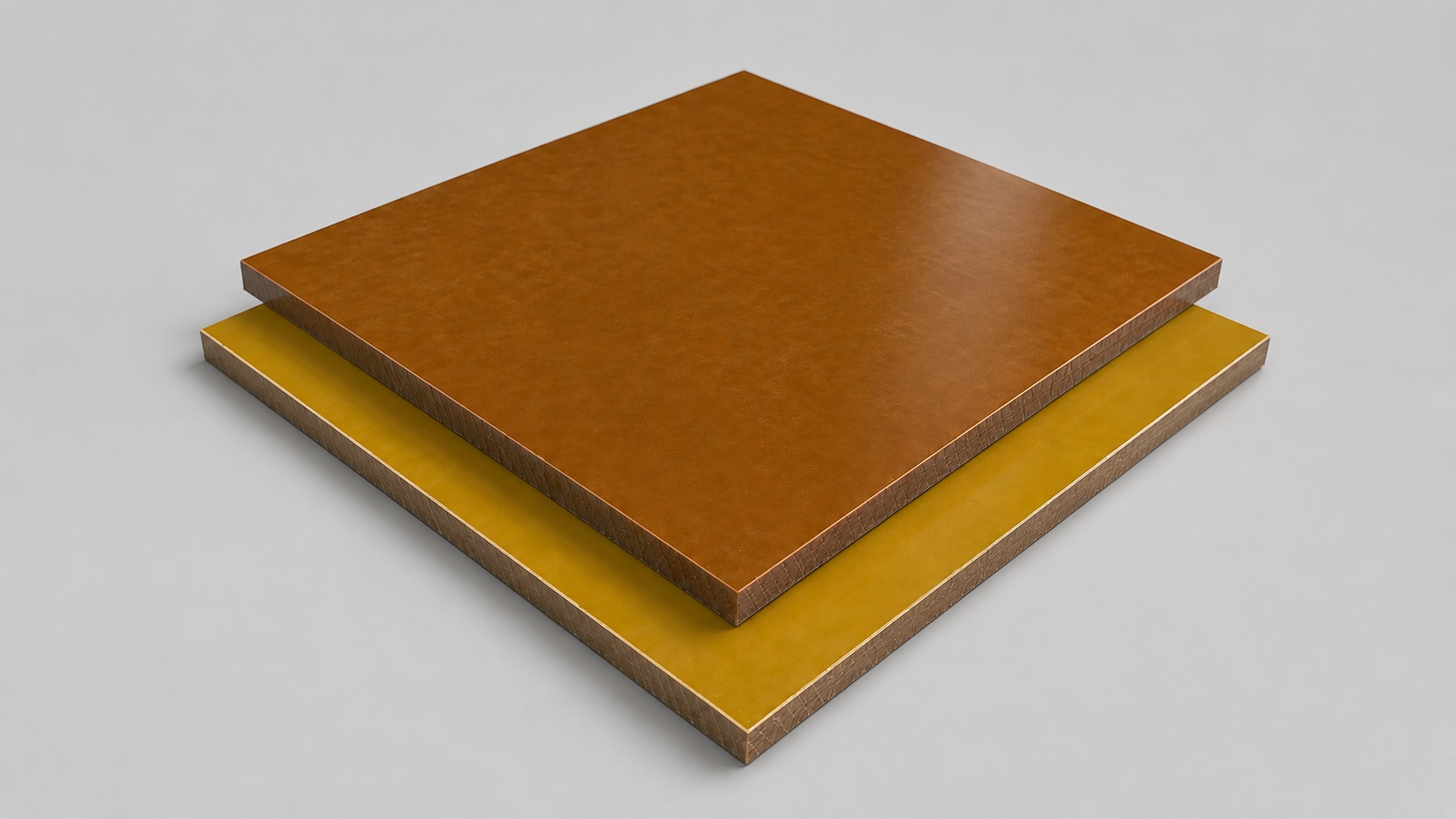
What Is Piedmont Engineering Grade® Insulating Panel?
A breakdown of PEG Insulating Panel, including an overview of what it's made of, ...
Common Applications

Bearings and Bushings
Piedmont Plastics stocks a full line of nylon, acetal, and PEEK products for ...

Conveyor Systems
Piedmont Plastics carries UHMW, acetal, nylon, and other plastics for conveyor ...
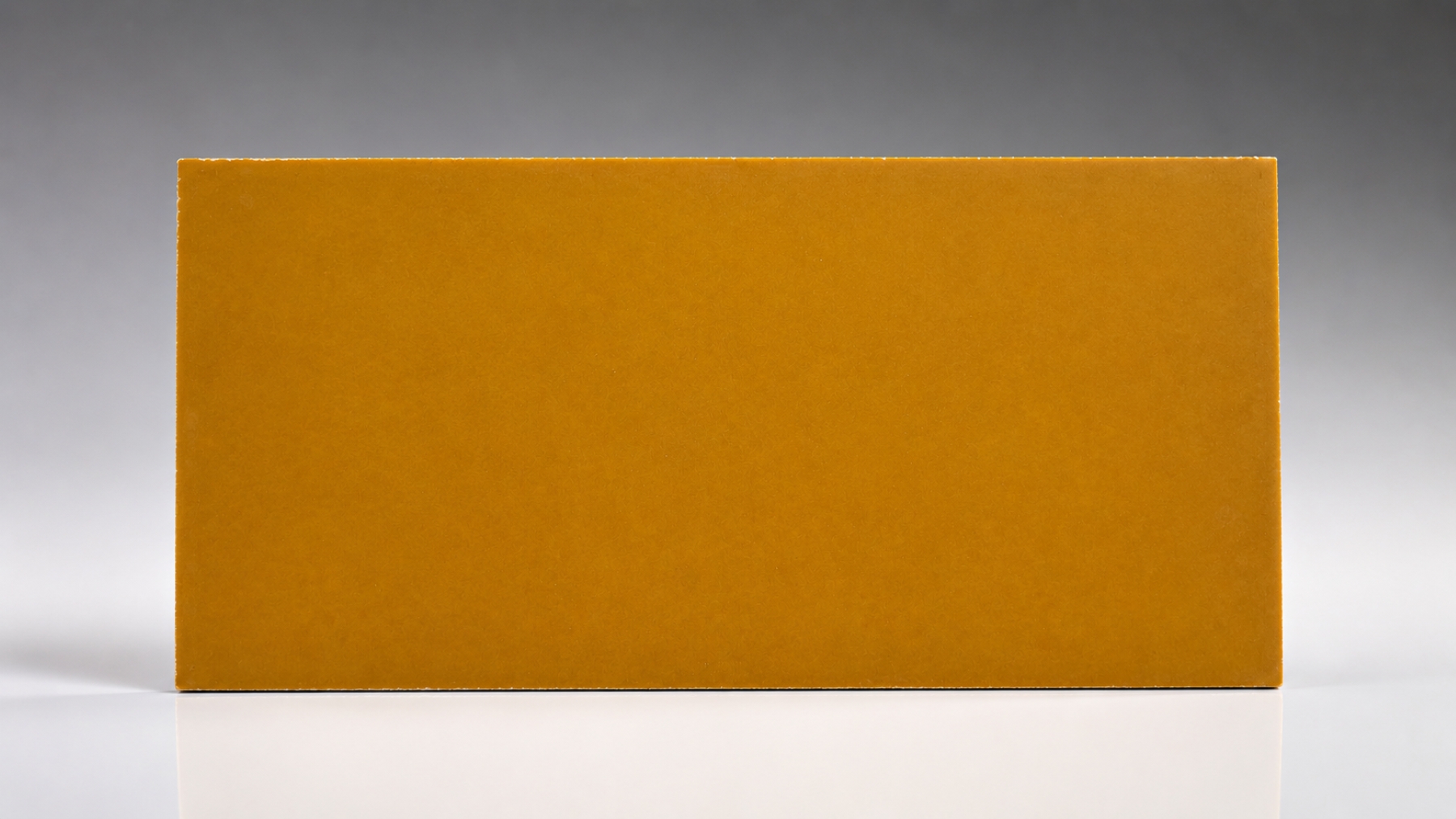
Electric Insulating Panels
An overview of electrical insulating panels, the materials we offer, and typical ...
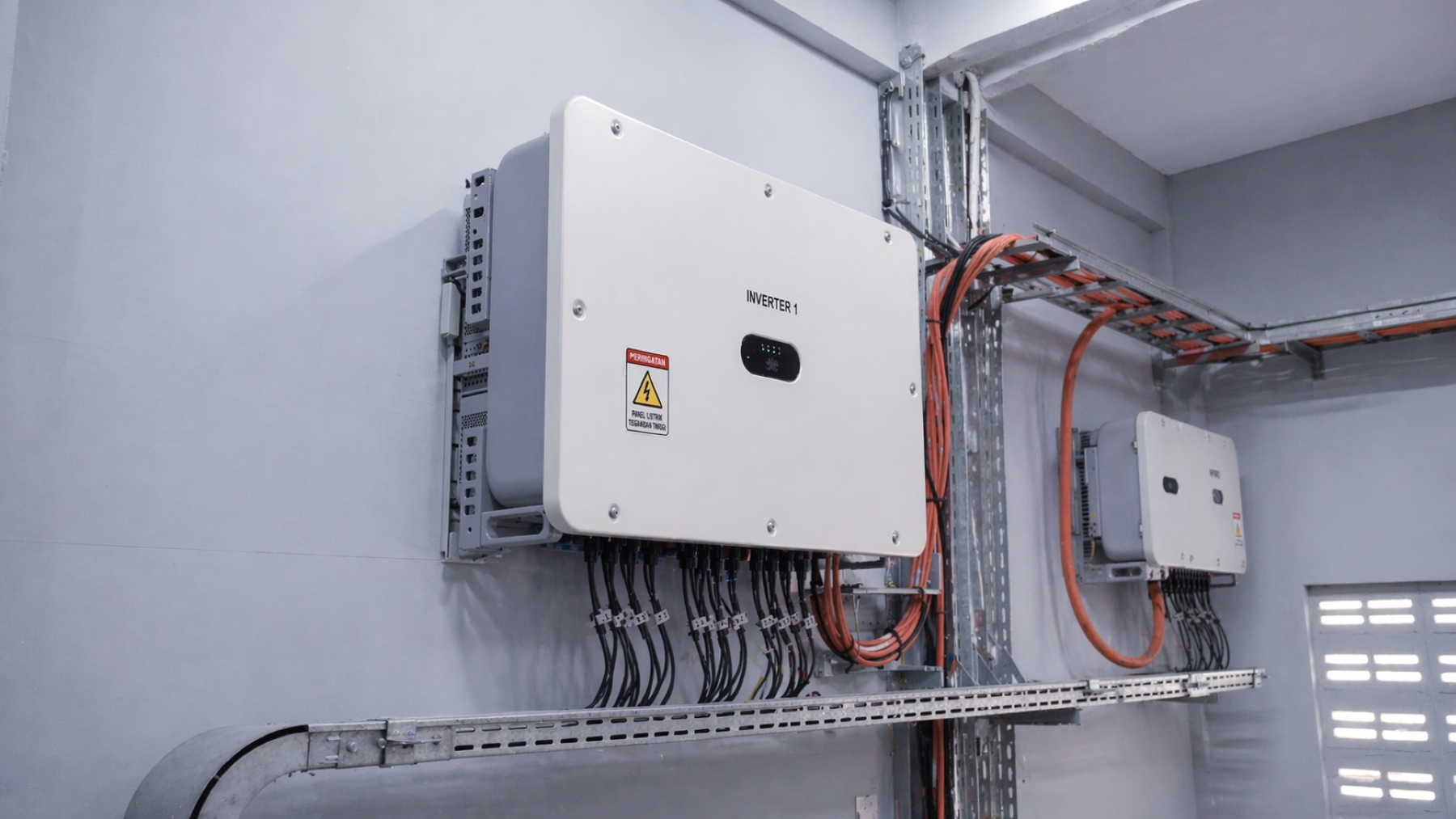
Electrical Enclosures
Piedmont Plastics offers performance plastic materials like ABS and ...

Material Handling Wear Strips and Components
Wear strips must be abrasion resistant and have a long wear life. Choose Ultra ...

Printed Circuit Boards
Printed circuit boards require a special composite that resists heat & water and ...

Stencils and Templates
Templates keep manufacturers in line, ensuring materials are cut to exact ...

Thrust Washers
Thrust washers made from materials such as nylon and UHMW polyethylene allow ...

Wire Harness Fixtures
In the automotive and appliance industries, wire harnesses must have excellent ...

Workbenches | Industrial Tables
Durable polycarbonate sheet and other plastic products from Piedmont Plastics ...
Common Industries

Aerospace
Piedmont provides thermoplastics for the aerospace industry, meeting demands for ...

Automotive
Piedmont Plastics provides plastics and composites for limousines, cabs, ...

Electrical
Piedmont Plastics is a distributor of plastics for electrical components ...

Heavy & Agricultural Equipment
Piedmont Plastics supplies plastic materials for heavy & agricultural equipment ...

Logging and Paper
The strength, high wear, and durability of plastic compounds make them excellent ...

Machine Shops
Piedmont supplies machine shops with a wide range of plastics, including acetal, ...

Marine
Piedmont Plastics is the leading supplier of starboard plastic materials in the ...

Material Handling and Conveying
Performance plastics help improve efficiency, reduce wear, and extend equipment ...

Plastic and Metal Fabrication
Piedmont works with plastic and metal fabrication partners in thermoforming, ...
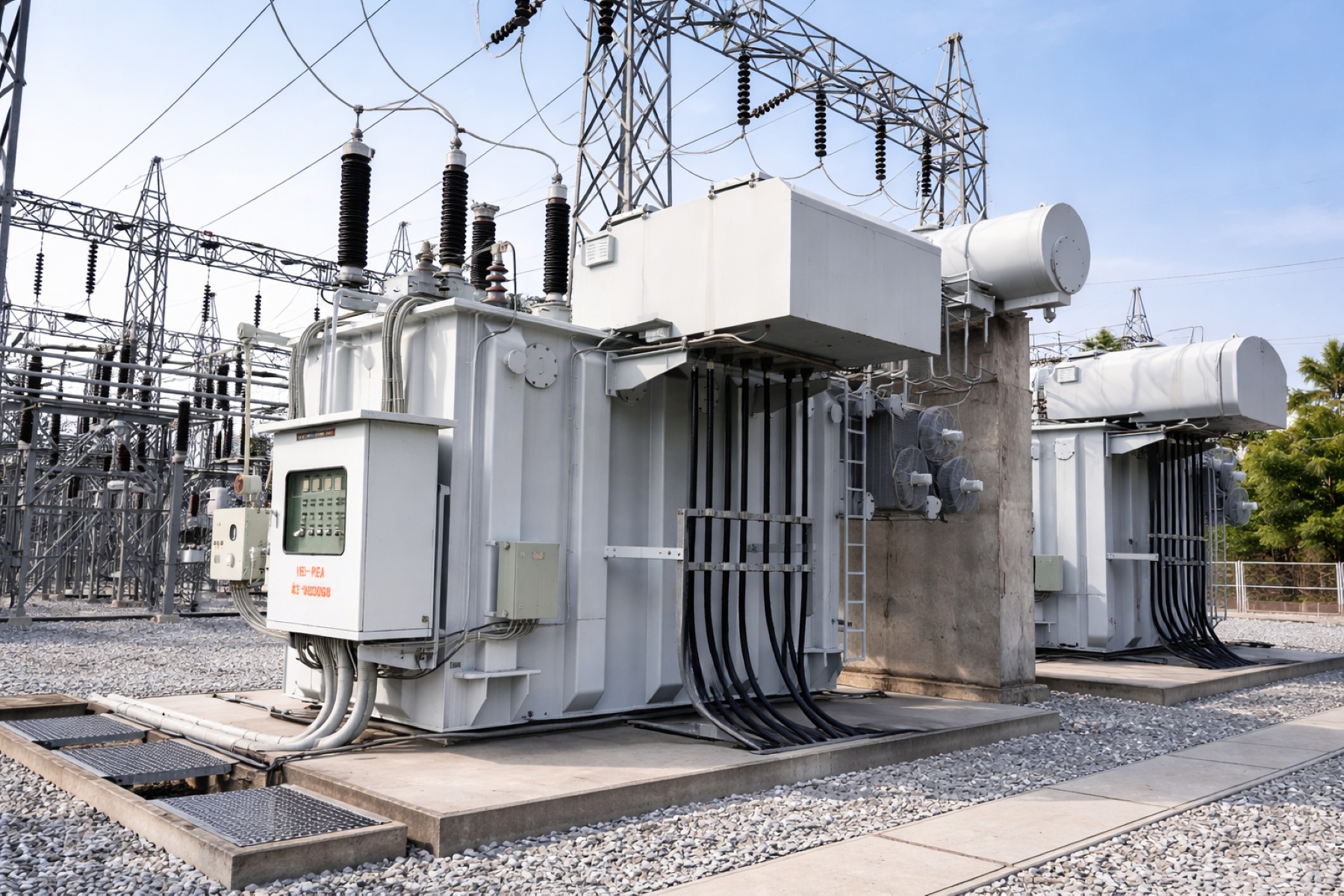
Power Generation and Distribution
High-performance plastics and engineered materials are used to make parts and ...

Transportation
Advancements in engineered plastics and composites have led to significant ...